
Why the Disciples Did Not Fast While Jesus Was with Them
Most notably, there is no record of the disciples ever fasting while Christ was still alive. People even complained about this to Christ, and guess what He told them?
14 Then the disciples of John came to Him, saying, “Why do we and the Pharisees fast often, but Your disciples do not fast?”
15 And Jesus said to them, “Can the friends of the bridegroom mourn as long as the bridegroom is with them? But the days will come when the bridegroom will be taken away from them, and then they will fast.”
At this time the disciples were still growing closer to Christ and were not yet well trained in faith. They actually matured more after His death than before. The disciples did not fully know that Christ was God until He actually left them, despite the many times He had tried to show them this.
He was all they needed. Jesus is all they needed. What good would fasting have done them when everything they needed in this life was right there with them—God Himself in flesh and spirit in the form of Jesus?
That is why Christ referred to Himself as the bridegroom and the disciples as the friends of the bridegroom. It was as though Christ was saying, “Why would you bother looking for Me so hard (through fasting) when I am right here?”
That is why He goes on to say that the days will come when He (the bridegroom) will be taken away from them (the disciples), and then they will fast (search for Him).
The Wrong Motive Behind the Question
If you reread this verse, you realize the message was not purely about the disciples’ failure to fast. Jesus was also pointing out something wrong with the aim of the fasting that the disciples of John and the Pharisees practiced.
Notice the context of their question: “Why do we and the Pharisees fast often, but Your disciples do not fast?”
The question came from a place of works and performance, not from genuine conviction. They felt that Christ’s disciples ought to act like any other religious leaders or people close to God—proving themselves by appearing righteous or displaying some form of holiness, especially since they were close to Someone who walked in such great spiritual power. To them, fasting was more of an external act than an expression of a personal relationship with God.
This is what Jesus had a problem with—not the act of fasting itself. On the outside they appeared to fast because they were close to God, but on the inside they were fasting for public recognition and to prove themselves worthy before God.
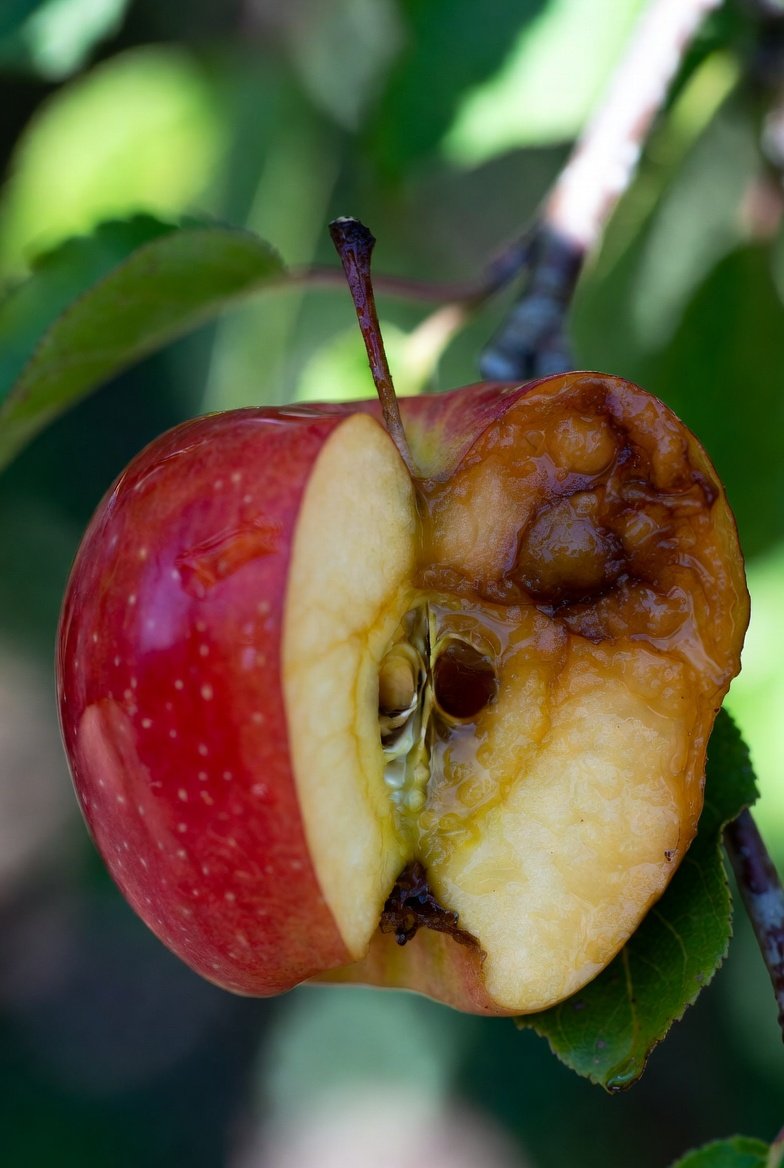
New Cloth and New Wineskins
This is why Christ immediately brings the following analogy into the conversation:
16 No one puts a piece of unshrunk cloth on an old garment; for the patch pulls away from the garment, and the tear is made worse.
17 Nor do they put new wine into old wineskins, or else the wineskins break, the wine is spilled, and the wineskins are ruined. But they put new wine into new wineskins, and both are preserved.
Jesus was highlighting the difference between Himself and them. He often expressed these truths through parables and figures of speech so that many would not immediately grasp them.
When He refers to the old cloth and the new cloth, He is speaking of life before His crucifixion and life after His resurrection. The two cannot be mixed in one body; one destroys the other.
The disciples of John who came to Him were still under the influence of the law—working to prove their own righteousness and holiness. This is what Jesus could not agree with. His presence changed everything; grace was in Him. That is why we read in Hosea 6:6 (NKJV):
For I desire mercy and not sacrifice,
And the knowledge of God more than burnt offerings.
This is what Christ was pointing to. He needed His disciples to be born and taught through His doctrine—a new way of living, more advanced than the old law. That is why He says they do not put new wine into old wineskins, or else the wineskins will break.
Christ needed new minds that He could fill—not ones already filled. That is why He chose ordinary men who were not completely familiar with matters of faith. These were the new vessels, the new wineskins that could easily be filled with the new gospel of salvation, which was fully revealed after His resurrection.
How Jesus Taught Us to Fast
In the Sermon on the Mount, Jesus gave clear instruction on the matter of fasting:
16 “Moreover, when you fast, do not be like the hypocrites, with a sad countenance. For they disfigure their faces that they may appear to men to be fasting. Assuredly, I say to you, they have their reward.
17 But you, when you fast, anoint your head and wash your face,
18 so that you do not appear to men to be fasting, but to your Father who is in the secret place; and your Father who sees in secret will reward you openly.”
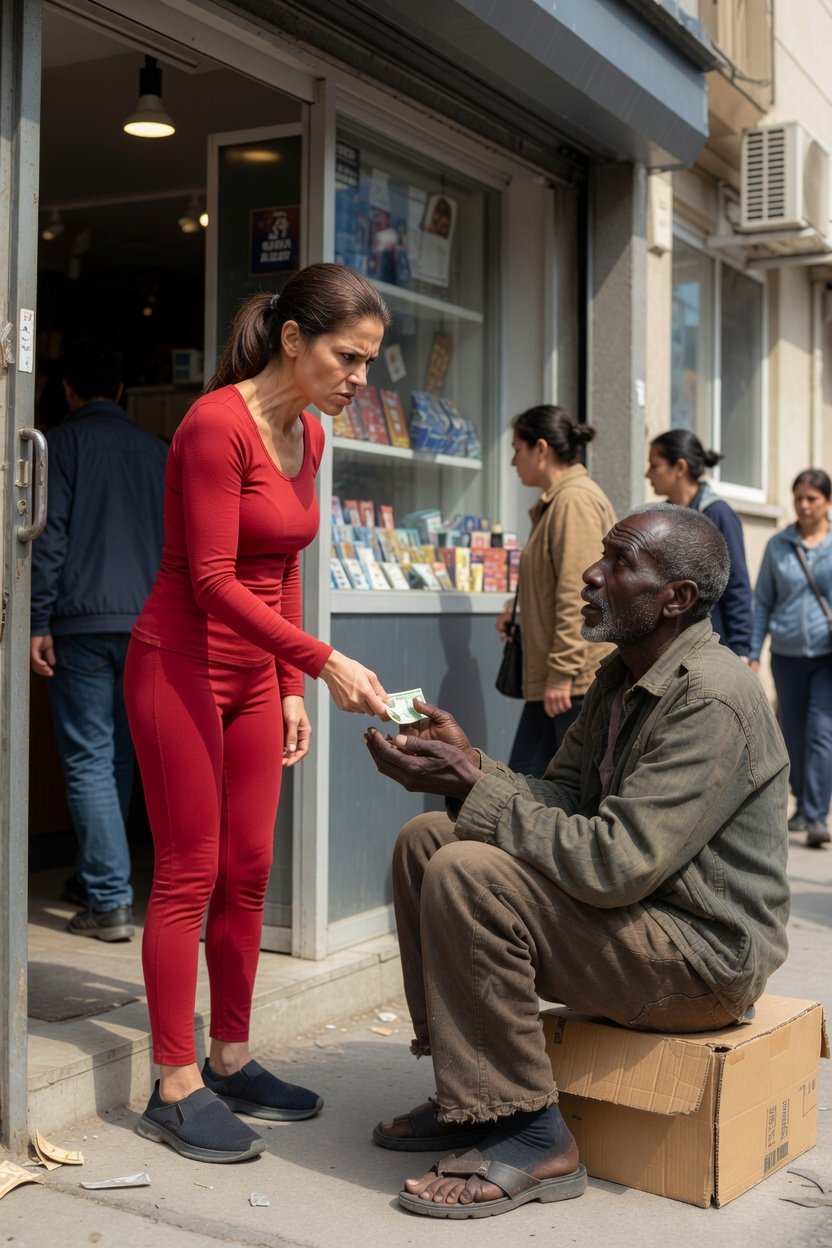
This is how to fast: not for external validation, but to draw closer to God and strengthen your relationship with Him. Yet many Christians still fall prey to this trap. They try to make sure every good thing they do is noticed—even something as simple as donating or helping someone, they later talk about it.
Helping others is good, but with what intention do you do it?
If you give tithe because you want to be seen as a dedicated giver, you are doing it wrong. If you show up to church every Sunday mainly to impress others, that is also a mistake. From the verse above we understand where the error lies—not in the action itself, but in the state of the heart. Your mind is not set on doing good because you truly want to; rather, pride pushes you to perform deeds you might not otherwise do.
What good are those acts if they are done with the wrong intent? Is it not better not to bother at all, since you will receive no reward from above for them? Our God looks at the heart, not merely the outward appearance.
If you have been the kind of person who does good in order to appear holy or righteous before others or even before yourself, then it is time to reconsider. Get your heart right, and then continue what you are doing—not out of pride or ulterior motives, but out of true love for God. That is the best thing you can ever do.