
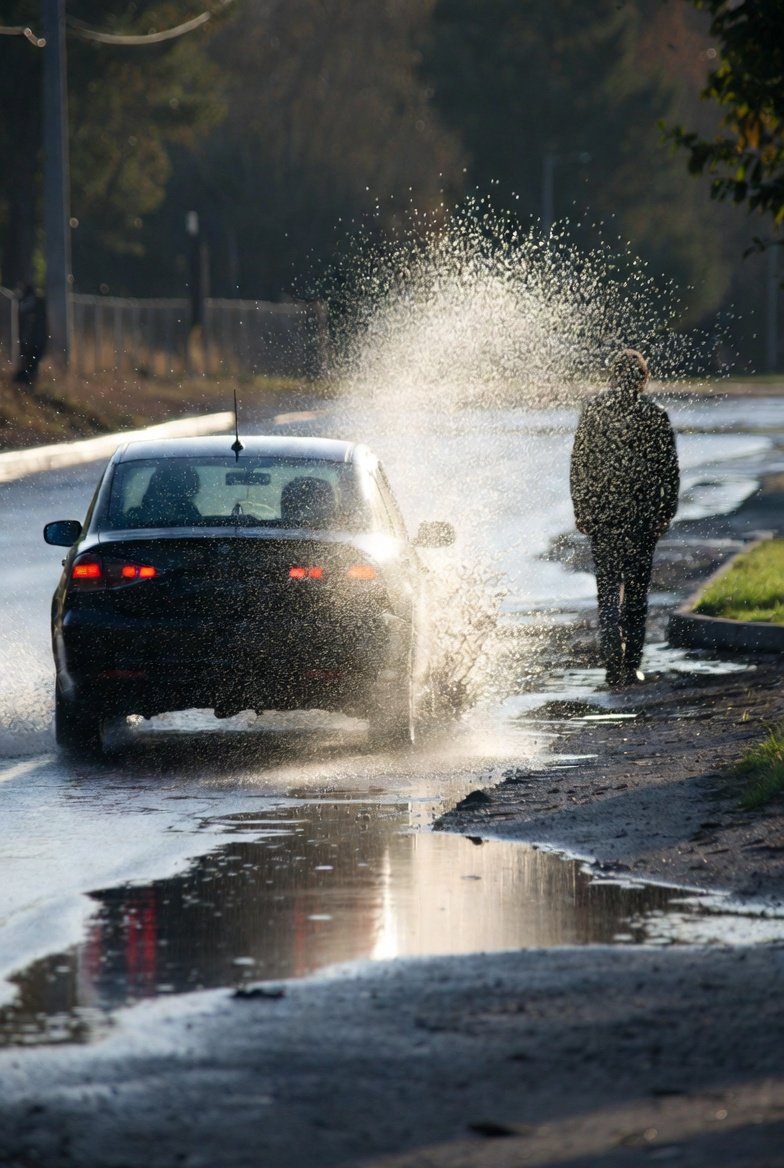
In the heat of the moment, when everything feels like it’s spiraling out of control, our natural instinct is often to react impulsively. But overreacting can escalate problems, damage relationships, and leave us regretting our actions later. The good news? With a bit of mindfulness and practice, we can learn to handle these intense scenarios more gracefully. Below, I’ll break down some key strategies to stay calm and composed, drawing from everyday wisdom that reminds us we’re all human navigating a chaotic world.
Embrace Open-Mindedness
Your perception shapes your reality, but it’s not the only lens out there. We all come from wildly different backgrounds, environments, and experiences that mold how we see things. Imagine insisting that everyone should write with their right hand—sure, it makes sense in your world, but a left-handed person has their own story and reasons for doing otherwise. The key here is to lend an ear and genuinely try to understand why someone might contradict your views.
We’re not always right, and we’re not always wrong either. It’s only by stepping into the other person’s shoes—thinking from their perspective—that you get the full picture. A one-sided story is like a half-baked cake; it lacks substance. Think about relationships: you can’t fairly judge a couple’s argument without hearing both sides. Being open-minded doesn’t mean abandoning your beliefs; it means expanding your understanding to make better decisions in tense moments.
Unlearn to Relearn
Sometimes, our knee-jerk reactions stem from old habits or assumptions that no longer serve us. To break free, we need to unlearn those patterns and relearn healthier ones. Start by taking a deliberate pause—breathe deeply, shift to a neutral state of mind, and zoom out to see the bigger picture. This simple act can prevent a minor issue from exploding into something major.
Prioritize Logic Over Emotion in Conversations
When emotions run high, they can cloud our judgment and lead to regrettable outbursts. Instead, lean on logic to gain a panoramic view of the situation without letting it sting you personally. Identify those emotional triggers early: Is your heart racing? Are you feeling defensive? Once you spot them, ask yourself logical questions to dissect what’s really happening. For instance, “What’s the root cause here?” or “What evidence do I have for my assumptions?”
In other words, always aim to see the broader context before responding. If you’re in the wrong, own it—take responsibility and give the other person space to express their frustration. If the roles are reversed, address it like a neutral third party, not someone already picking sides. It might feel awkward or even foolish in the moment, but ultimately, the person who responds with maturity earns more respect. Logic isn’t about being cold; it’s about being fair and effective.
Don’t Worry About Who’s Watching—Focus on Yourself First

It’s easy to get trapped in our own little bubble, especially when embarrassment strikes. Picture this: You trip on the stairs or slip on a wet floor, and your first instinct is to scan the room for who saw you, instead of getting up and dusting yourself off. Boom—sudden self-consciousness takes over. But here’s the truth: Nobody really cares as much as you think they do. People are too self-consumed in their own lives.
Sure, a few might chuckle or whisper, but that shouldn’t derail your entire day. Accidents happen to everyone; it’s just part of being human. Accept it, clean yourself up if needed, stand tall, and carry on as if nothing occurred. By prioritizing your own recovery over imagined judgments, you reclaim your power and move forward with dignity.
Avoid Taking Things Personally
Not everything is about you—and that’s a liberating realization. We’re all dealing with our own battles, stresses, and unseen struggles that others might never guess. In one-on-one situations, try to stay open-minded. Maybe you’re rushing to an important meeting and someone bumps into you accidentally. What if they’ve just lost a loved one? Who knows? Instead of making it all about your inconvenience, pause, analyze, and seek the root cause.
Don’t pile your life’s accumulated stress onto a single event, blaming the other person as if they’re the villain. This mindset shift prevents overreactions and fosters compassion. Remember, their actions might stem from their own chaos, not a personal attack on you.
Communicate Clearly to Bridge Gaps
If the world mastered clear communication, we’d cut arguments and misunderstandings in half. Yet, many of us struggle to express ourselves even to close friends, let alone in public or during tense moments. How can we expect someone to articulate their needs or pain points perfectly when emotions are flaring?
The solution? Be intentional: Clearly state your needs or concerns, and check if the other person truly understands. This opens the door to collaboration and resolution. In extreme situations, vague words fuel fires, but precise, empathetic dialogue puts them out. Practice this, and you’ll find problems dissolve faster than you thought possible.
Master the Pause: Breathe and Zoom Out
In high-stress moments, emotions surge faster than rational thought. The simplest yet most powerful tool? Is deliberately pausing.
Take a slow, deep breath—inhale for four counts, hold for four, exhale for six. This activates your parasympathetic nervous system, countering the fight-or-flight rush. Use this moment to shift from reactive mode to observer mode. Ask neutral, logical questions:
- What’s actually happening here?
- What can I control, and what can’t I?
- Is this as catastrophic as it feels right now?
- What would I advise a friend in this situation?
Zooming out to the bigger picture prevents small triggers from snowballing. If you’re wrong, own it and apologize sincerely and let the other person express themselves. If they’re off-base, respond calmly. Maturity in chaos earns lasting respect, even if it feels awkward in the instant.
Practice Empathy to Navigate Conflicts
At our core, we’re all a bit self-absorbed—you, me, and everyone else. Intense situations tend to bring out whatever’s bubbling inside us, good or bad. To handle them without overreacting, we must step outside our own world and view things from the other person’s angle. This is empathy in action: understanding their perspective without judgment.
Once you’re out of the “me-centric” frame, you gain a neutral vantage point. From there, your judgments become more balanced, and your reactions more reasonable—without offending or escalating. Empathy doesn’t mean agreeing; it means connecting on a human level, which often diffuses tension and leads to better outcomes.
In the end, mastering these approaches isn’t about becoming a robot—it’s about honoring our shared humanity. Extreme situations will always arise, but by staying open, logical, and empathetic, we can respond in ways that build rather than break. Next time you’re on the edge, remember: A measured response is your superpower.
Sometimes we tend to overreact even in situations even that don’t call for it. If you are this kind of person, there maybe something deeper within; beyond just the tense moments. Unhappiness or much worse. Why am I unhappy?